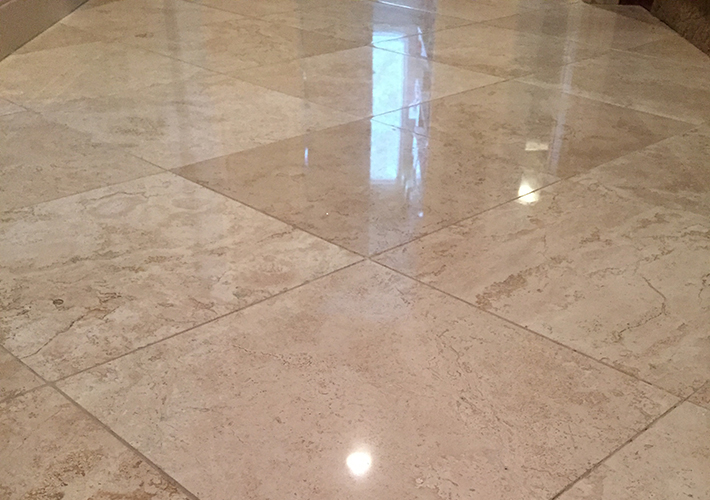
Durable, soft to the touch, and available in a variety of colors, limestone floors are fantastic for your kitchen or living room. Especially complementary of rooms with neutral earth tones, limestone has incredible resale value and is widely considered a timeless beauty. But with great beauty comes great care. Just like other high-end flooring options with deep roots in the natural world, there’s a right way and a wrong way to treat your limestone flooring.
So how do you care for and restore limestone floors?
While it’s hardly brain science, limestone does require a level of intentional care, especially if you’re looking to make the investment last. From products to avoid and polishes to consider, here’s how to bring out the best in your limestone flooring.
Why Limestone?
First thing’s first, let’s review the advantages of choosing limestone for your kitchen or living room. Used for thousands of years, limestone is a classic yet modern style that complements a variety of interior looks. Virtually customizable, limestone is available in a variety of colors, finishes, and patterns. Often finished with a glossy, honed, or leathered look, custom limestone can be detailed with veining, speckles, and even chevron patterns for the exact look and feel you’ve been dreaming of.
Most commonly available in creams, yellows, and earth tones, you can lean on limestone for a sophisticated note of neutrality. Whether you’re looking for a plain stone to offset a loud room or a beige floor to match your earthy aesthetic, limestone is a perfect choice.
Aside from outer beauty, limestone is incredibly durable. Even after lengthy exposure to high-traffic areas, limestone won’t easily wear down, crumble, or require frequent resealing. Not to mention its timeless beauty and unique natural colors and textures mean limestone is an in-demand option that will forever boost your home’s value.
Where Doesn’t Limestone Work?
Our only advice is if you’re opting for a lighter shade of limestone, avoid placing limestone in rooms with incredibly high foot traffic. Think family rooms with younger kids or communal kitchens in-use 24-7. That’s because paler limestone is more susceptible to the occasional wear and tear and, over time, will easily reflect the outer chaos.
Basic Care Tips
As the years wear on and foot traffic increases, here are a few things to remind yourself of when it’s time for your weekly house cleaning. Use water sparingly when mopping limestone. Just like its natural stone siblings, limestone is a tad more porous than synthetic material. As such, limestone will absorb excess water. That water will penetrate the stone causing deep stains and discoloration.
In the same vein, don’t let spills or daily dust linger for too long. While cleanliness is important, rather than dragging clunky vacuums across your precious stone, use vacuums with an attachable nozzle so you can approach with a gentler suction and a lighter machine. Also be sure to use cleaners specially created for limestone. All made from unique materials, the cleaners you use for marble, granite, and quartz likely won’t do the trick for your limestone flooring.
Polishing, Resurfacing, & Sealing Galore
If you love natural stone, you probably love the glossy shine. While limestone will never replicate that sharp shine of marble or granite, you can polish limestone for a beautiful sheen finish. Limestone actually requires less effort than marble or granite to polish and that polish will always accentuate the natural flaky features and bright colors.
When it comes to sealing, every limestone flooring is different depending on the material and daily foot traffic. In fact, sealants are impossible to apply over some ultra thick polishes. Wondering if your floors need a reseal? Try the at-home water test. Simply add a small amount of water to the surface and let it sit for 10 minutes. If the water seeps into the stone, it’s time for a sealing.
Limestone can also be resurfaced or restored to its original state after years of wear and tear. Just like sealing, not every limestone flooring is created equally. If you’ve got intense stains and chipping, and the natural beauty of your original floor installment has worn away, resurfacing is likely your best bet.
Calling in the professionals to restore your limestone floors is smart and worth the cost. In fact, hiring a stone restoration company will cost much less than replacing floors as well as save you time while getting results you will love.
Restoring your Limestone Floors
When it comes to natural flooring, limestone is relatively low maintenance. Nevertheless, just like marble or granite, limestone is susceptible to scratching, stains, and acid damage. Partially composed of calcified marine life, limestone is like walking on years of natural history. With the proper care, that history will continue on for years to come.
If you love your limestone floors and want to bring them back to life the floor restoration professionals at Restore-A-Floor can help. As one of Michigan’s most preferred contractors for stone floor and tile restoration services, our revolutionary process has proven to last.
We provide professional stone restoration, tile and grout cleaning, countertop restoration, and minor tile and grout repairs with the highest quality service and customer care. Call us for a Free Estimate!