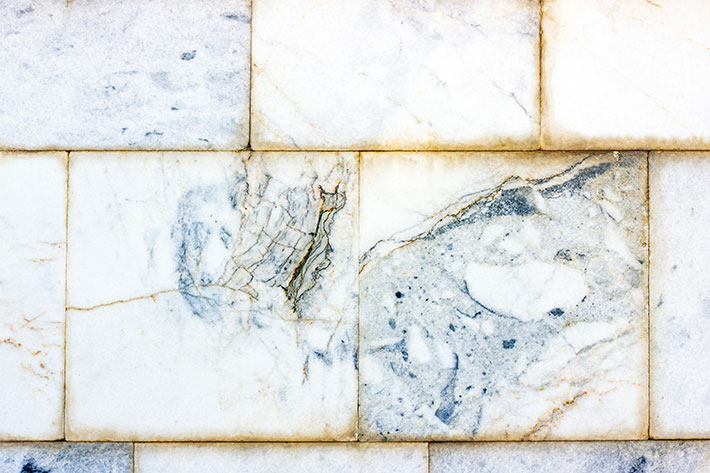
Stone flooring brings a timeless elegance and natural durability to homes and commercial spaces alike. But even the most resilient materials, like marble, granite, and slate, aren’t immune to the effects of rust.
Rust stains on stone floors can appear suddenly and worsen over time, leaving unsightly discoloration and a challenging cleaning problem behind.
If you’ve noticed orange or brown spots spreading across your stone surface, understanding the cause—and the proper method of removal—is critical to protecting your investment.
Scheduling a professional stone floor restoration service is always a safe bet, especially if you’re not a DIYer.
Understanding the Source of Rust Stains
Unlike simple surface grime, rust is a chemical reaction. It occurs when iron, oxygen, and moisture interact, oxidizing into a reddish-brown compound that can deeply embed itself into porous stone materials. The issue may originate from a variety of sources, many of which go unnoticed until the damage is done.
Common Causes of Rust Stains on Stone Floors:
● Iron-Rich Natural Stone: Some stones, particularly granite and sandstone, contain trace amounts of iron. When exposed to moisture, these internal minerals can oxidize from within, leading to deep, spreading stains that emerge over time.
● Metal Furniture and Fixtures: Table legs, plant stands, or shelving units with metal bases can leach rust when exposed to cleaning water or humid environments. Even galvanized or painted metals may eventually corrode and transfer rust to the stone below.
● Improper Cleaning Tools: Steel wool, wire brushes, or other abrasive metal tools used during DIY cleaning can leave microscopic particles on the stone’s surface. These particles may oxidize and form visible rust marks days or weeks later.
● Construction Debris: During renovations, leftover metal shavings or tools left on stone floors can react with moisture, especially in humid or wet conditions, leaving a lasting mark if not promptly removed.
● Water Leaks or High Humidity: Basements, bathrooms, and kitchens are especially vulnerable. Prolonged exposure to moisture increases the risk of internal oxidation or contact with rust-inducing elements like plumbing or HVAC components.
Not all stains are created equal—and not all stone surfaces react the same way. That’s why treating rust requires a professional understanding of both the type of stone and the depth of the stain. Attempting to scrub or bleach rust away can worsen the damage, causing etching, discoloration, or permanent surface wear.
Steps for Rust Removal:
● Identify the Stone Type: Is your floor marble, granite, limestone, travertine, or slate? Each has a different porosity and chemical composition. Soft stones like marble and limestone are especially sensitive to acidic or abrasive treatments.
● Determine the Depth of the Stain: Surface rust may be removable with a targeted poultice, while deeper oxidation (often from internal iron deposits) may require repeated treatment or professional grinding and refinishing.
● Avoid Acidic or DIY Solutions: Many off-the-shelf rust removers contain acids that can etch natural stone, especially calcareous types like marble or travertine. Vinegar, lemon juice, or bathroom cleaners can make the stain worse and damage the floor permanently.
● Apply a Stone-Safe Rust Remover: Specialized rust removers designed for stone are pH-neutral or formulated to react only with iron stains. These are typically applied as a paste or gel, allowed to dwell, then removed carefully according to manufacturer guidelines.
● Use a Professional Poultice for Stubborn Stains: Poultices are made by combining a cleaning agent with an absorbent material like clay or paper pulp. This mixture draws the stain out of the stone’s pores over several hours or days. Professionals can customize poultice ingredients for the specific type of stone and stain.
● Finish with Proper Cleaning and Sealing: After stain removal, the stone should be thoroughly rinsed and allowed to dry completely. Applying a high-quality penetrating sealer will help prevent future staining by blocking moisture and contaminants from entering the stone.
● Prevention Is the Best Protection: Once rust takes hold, removing it without damage requires expertise. Fortunately, preventing rust is far simpler. With the right precautions, you can protect your stone flooring and preserve its natural beauty for years to come.
Rust stains are more than just cosmetic—they’re a sign that chemical and environmental factors are interacting with your stone flooring in harmful ways. Ignoring rust allows it to deepen and spread, potentially leading to permanent discoloration or surface degradation.
Restore Your Floors with Brighton’s Experts at Restore-A-Floor
Whether your stone floors are lightly stained or severely rust-damaged, professional restoration is the safest, most effective path to reclaiming their appearance and longevity. At Restore-A-Floor, we specialize in tile cleaning and natural stone care—identifying the source of damage, removing embedded stains, and applying long-term protective treatments. Let our team restore your floors with precision and care. Contact our Brighton area stone floor restoration company today for a Free Estimate and get back to a clean, beautiful stone you can be proud of.