
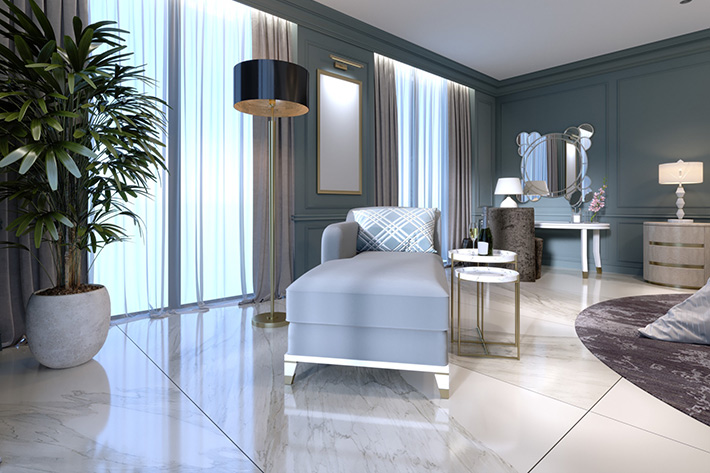
Stone floors are an elegant choice for homes and businesses alike. Natural stone has a beauty few materials can match. Despite their toughness, everyday use can lead to long-term damage. Sealing is more than just an optional step in maintenance; it is a vital layer of defense that keeps your flooring looking and performing its best for years to come.
What does sealing do for stone floors?
Stone is naturally porous. This means it can absorb water, oils, and other liquids that lead to staining or etching. Even stones that appear dense, like granite, have microscopic pores. Sealing fills these pores with a protective barrier, preventing unwanted substances from soaking in.
This process keeps spills on the surface, where they can be easily wiped away. Sealing also enhances the natural color of the stone, bringing out its depth and detail while maintaining a polished, professional appearance.
Key Benefits of Sealing Stone Floors
Protecting your investment through sealing offers multiple long-term advantages:
1. Stain Resistance: Spills are less likely to leave permanent marks.
2. Enhanced Durability: Better protected against scratching and surface damage from foot traffic or moving furniture.
3. Moisture Protection: Reduces the risk of mold, mildew, and mineral deposits.
4. Longer Lifespan: Slows natural wear-and-tear keeping floors strong and resilient for decades.
5. Improved Aesthetics: The finish adds a subtle sheen that enriches the stone’s natural beauty, making it look freshly restored.
Types of Sealers and Their Uses
Choosing the right sealer depends on the type of stone and the desired finish:
● Penetrating Sealers: These absorb into the pores of the stone without altering its appearance. They are especially effective for stones like limestone, marble, and travertine.
● Topical Sealers: Applied as a coating on the surface, these add shine and an extra layer of protection. They are useful in high-traffic areas but may require more frequent reapplication.
● Enhancing Sealers: Designed to deepen color and highlight natural patterns while also protecting against moisture and stains. Perfect for stones like slate or flagstone.
A stone floor restoration pro can recommend the best option based on your flooring material, usage, and overall design goals.
When Should Stone Floors Be Sealed?
Sealing is not a one-time task. Over time, traffic and cleaning products wear down the protective layer, leaving your floors vulnerable again. Signs that your floors need resealing include:
● Water no longer beads on the surface but soaks in.
● Stains appear more easily than before.
● The floor looks dull, even after cleaning.
● Increased dusting or chalky residue on the surface.
As a general rule, stone floors should be resealed every one to three years, depending on traffic levels, cleaning practices, and the type of stone.
Common Misconceptions About Sealing
Many homeowners and business owners underestimate the value of sealing due to a few common myths:
● “The stone of my floor is hard, so it doesn’t need sealing.” – Even hard stones like granite are porous and vulnerable to staining.
● “Sealing makes floors slippery.” – Properly applied modern sealers do not increase the risk of slips.
● “One sealing lasts forever.” – Sealers must be reapplied for consistent protection.
Understanding these myths enables property owners to make more informed maintenance decisions.
Protect Your Stone Floors with Expert Sealing – Brighton
Your stone floors are an investment in beauty and function. With the right products, proper application, and a consistent maintenance schedule, you can enjoy flawless, stain-free stone flooring for decades. If you are ready to give your floors the protection they need, contact Restore-A-Floor in Brighton today and schedule professional stone floor sealing services that will keep your floors looking as good as new.
We deliver unmatched stone floor and tile restoration services to homes and businesses throughout Metro Detroit.