
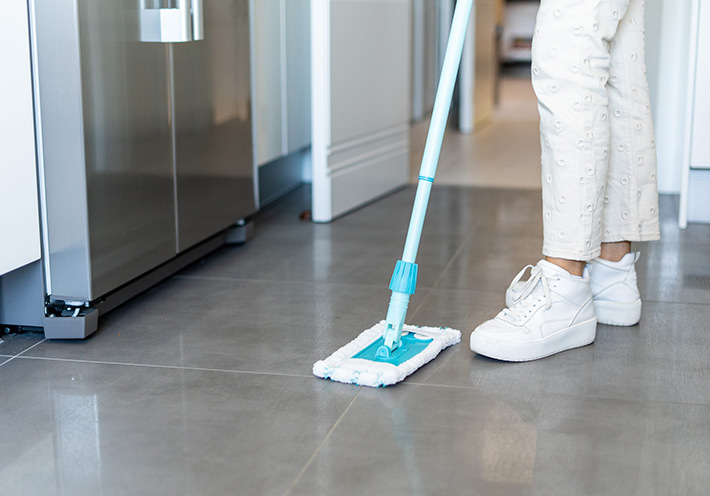
From elegant, polished marble entryways to rustic travertine kitchens and chic limestone flooring, natural stone adds character that few flooring materials can match. But unlike ceramic tile or luxury vinyl, stone requires a little more attention to stay looking its best.
Many homeowners assume stone floors are nearly impossible to damage because they’re made from rock. So it must be durable right? In reality, natural stone is porous and surprisingly vulnerable to certain everyday habits. The good news? Most damage develops gradually, meaning it can often be prevented with a few simple maintenance practices.
What Causes Stone Floors to Become Damaged or Stained?
Natural stone floors are most commonly damaged by dirt and grit, acidic spills, moisture, improper cleaning products, heavy furniture, and years of everyday foot traffic. While stone is incredibly durable, it isn’t indestructible. With the right maintenance habits and occasional professional restoration, stone floors can retain their beauty for decades.
Here’s a closer look at the most common causes of damaged and stained stone flooring, along with practical tips for keeping your floors looking beautiful.
Dirt and Sand Act Like Sandpaper
One of the biggest threats to stone floors doesn’t come from spills at all. It walks through your front door.
Tiny particles of dirt, sand, and grit get trapped beneath shoes and are dragged across the floor every day. Over time, these abrasive particles slowly wear away polished finishes, leaving behind dull traffic lanes and fine surface scratches.
Tip: Place quality floor mats at every entrance and sweep or dust mop frequently to remove abrasive debris before it has a chance to scratch the surface.
Acidic Spills Can Permanently Etch Natural Stone
Not every stain is actually a stain.
Many natural stones, especially marble, limestone, and travertine, contain calcium carbonate. Acidic substances such as lemon juice, vinegar, wine, tomato sauce, coffee, and certain household cleaners react chemically with the stone, creating dull, cloudy spots known as etching.
Unlike surface stains, etching changes the finish of the stone itself and typically requires professional polishing to restore.
Tip: Wipe spills up immediately using a soft cloth and clean water. Avoid using vinegar or acidic “natural” cleaners on stone flooring.
Using the Wrong Cleaning Products
It may seem harmless to grab an all-purpose floor cleaner from the grocery store, but many common cleaning products contain acids, bleach, ammonia, or harsh chemicals that slowly break down protective sealers.
As the sealer wears away, the stone becomes more susceptible to staining, moisture absorption, and discoloration.
Tip: Choose pH-neutral cleaners specifically formulated for natural stone. These products safely clean without stripping away protective sealers.
Moisture Can Lead to Deep Staining
Because natural stone is porous, liquids don’t always stay on the surface.
Standing water, pet accidents, cooking oils, and colored beverages can penetrate the stone if the protective sealer has worn away. Once absorbed, these stains often become much more difficult to remove than surface spills.
Bathrooms, kitchens, laundry rooms, and entryways tend to experience the highest moisture exposure.
Tip: Reseal stone flooring as recommended by a professional and avoid allowing water to pool on the surface after mopping or spills.
Heavy Furniture and Impact Damage
Stone is exceptionally hard, but that doesn’t make it immune to chips or cracks.
Dragging furniture across the floor, dropping cookware, or moving heavy appliances without protection can leave behind chipped edges, gouges, or even cracked tiles.
While minor chips can often be repaired, larger fractures may require restoration or replacement.
Tip: Use felt pads beneath furniture legs and lift heavy items instead of sliding them across the floor whenever possible.
Everyday Foot Traffic Slowly Dulls the Finish
Even in homes where floors are cleaned regularly, years of daily use eventually wear down the polished surface.
Hallways, kitchens, entryways, and living rooms often develop visible traffic patterns that appear dull compared to less frequently used areas.
Fortunately, dull stone doesn’t necessarily need to be replaced. Professional honing and polishing can restore much of the floor’s original appearance while extending its lifespan.
Skipping Routine Maintenance
Natural stone rewards consistency.
Allowing spills to sit, delaying resealing, or using improper cleaning methods may not cause immediate damage, but over time these small habits add up. What begins as minor discoloration or light scratching can eventually require extensive restoration work.
A simple maintenance routine goes a long way toward protecting your investment.
Some good habits include:
● Dust mopping several times each week
● Cleaning with a pH-neutral stone cleaner
● Wiping spills promptly
● Using entrance mats
● Resealing stone as recommended
● Scheduling professional restoration when wear becomes noticeable
With proper care, many natural stone floors can last for generations.
Stone Floor Questions
Can stained stone floors be restored?
Yes. Many stains, scratches, dull finishes, and etched surfaces can be significantly improved through professional stone restoration techniques such as deep cleaning, honing, polishing, stain removal, and resealing. The sooner damage is addressed, the better the results typically are.
How often should natural stone floors be sealed?
Most stone floors benefit from resealing every one to three years, although the ideal schedule depends on the type of stone, foot traffic, and how the space is used. Kitchens and entryways often require more frequent sealing than lower-traffic areas.
What is the best cleaner for natural stone floors?
The safest option is a pH-neutral cleaner specifically designed for natural stone. Avoid vinegar, bleach, ammonia, or abrasive scrubbers, as these can damage both the stone and its protective sealer.
Protect Your Stone Floors for Years to Come
Natural stone flooring is designed to last, but longevity depends on how well it’s cared for. Most damage doesn’t happen overnight. It develops slowly through everyday wear, improper cleaning products, moisture, and neglected maintenance.
By adopting a few simple care habits and addressing problems early, you can preserve your floors’ natural beauty while avoiding costly repairs down the road. And when years of wear finally begin to show, professional stone restoration can often bring the surface back to life without the expense of replacing it entirely.
Brighton’s Trusted Choice for Stone and Tile Restoration
Restore-A-Floor is in Brighton and provides professional stone and tile restoration services to homes and businesses throughout Southeast Michigan. Backed by decades of experience, we use proven cleaning, honing, polishing, and sealing techniques to revive worn surfaces and help protect them from future damage.
Whether your marble has lost its polish, your travertine needs deep cleaning, or your tile and grout need professional attention, Restore-A-Floor is ready to help. Contact us today to schedule a no-obligation estimate and bring lasting beauty back to your floors.